
Veterinary Necropsy Equipment: Tables, Coolers & Lab Setup Guide
Short answer: a veterinary necropsy setup needs three things most small-animal or livestock labs underbudget for: a table sized and drained for the species you actually see, refrigerated holding for cases awaiting necropsy or pickup, and ventilation adequate for the volume and species mix. Get those three right and the rest — lighting, scales, instrument storage — is comparatively easy.
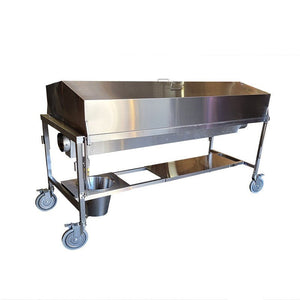
Sizing the necropsy table to your caseload
Veterinary necropsy spans a much wider size range than human pathology — a single table rarely serves a lab that sees both small companion animals and livestock. Confirm before ordering:
- Species range — small animal (cats, dogs, small mammals) tables can be compact with a lighter-duty drain; livestock and equine necropsy needs a larger surface, a higher weight rating, and a drain sized for volume.
- Drainage — necropsy generates more fluid volume than routine exams; confirm floor drain or table-integrated drain capacity against your actual case volume, not just table size.
- Height and access — a fixed-height table works for consistent staff and species; an elevating hydraulic table earns its cost back quickly in a lab handling mixed species or multiple technicians of different heights.
Refrigeration: the piece labs most often underbuild
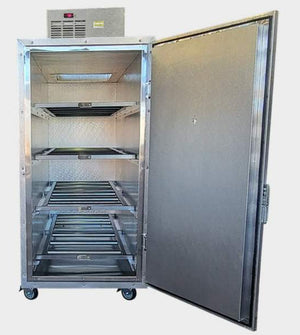
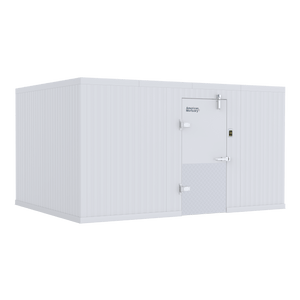
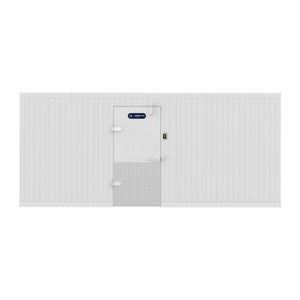
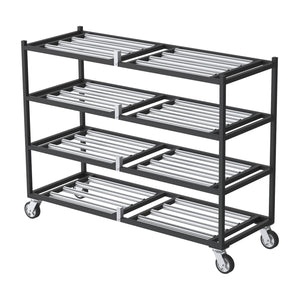
Cases waiting on necropsy, owner decision, or disposal need to be held cold — and veterinary caseload is less predictable than a funeral home's, so undersized refrigeration shows up fast during a busy week or a disease outbreak investigation. A dedicated vet or necropsy cooler sized with margin for a bad week, not just an average one, avoids the scramble of overflow storage later. For species-mixed or research labs, see how holding refrigeration is sized in comparable institutional settings.
Ventilation and biosafety
Necropsy on an unknown-cause case carries real inhalation and zoonotic risk. At minimum, plan for adequate air exchange at the table, a documented biosafety/PPE protocol appropriate to your caseload, and a defined disposal path for tissue and fluid waste that meets your state and local requirements — these vary significantly by jurisdiction and by whether the lab handles suspected reportable disease cases.
Who this is for
- University veterinary teaching hospitals and diagnostic labs
- State and regional veterinary diagnostic laboratories
- Zoo and wildlife necropsy programs
- Livestock and large-animal referral practices
- Research institutions with an animal necropsy component
Frequently asked questions
What size table do I need for veterinary necropsy?
It depends entirely on your species mix — a small-animal-only lab needs a much smaller table and drain than one that also handles livestock or equine cases. Size to your largest routine case, not your average one.
Do I need separate refrigeration from a funeral home or human pathology cooler?
Yes — veterinary necropsy cases should not share holding space with human remains for both biosafety and regulatory reasons. A dedicated vet/necropsy cooler is standard practice.
How do I plan for outbreak or mass-mortality events?
Build in refrigeration margin above your typical weekly caseload — disease outbreaks and mass-mortality events (avian flu, for example) can spike case volume well beyond routine capacity with little warning.
Need help specifying a veterinary necropsy table, refrigeration, or full lab layout? Call 1-888-792-9315 or see our Vet & Necropsy Coolers and Veterinary Equipment collections.

