


Cadaver Fixative Storage & Immersion Tables — Infrastructure Guide for University Anatomy Programs

Fixative Storage and Immersion Infrastructure — The Unsung Backbone of Anatomy Programs
Most anatomy lab planning conversations focus on the dissection tables, the student workflow, and the cadaver storage systems. Fixative storage and immersion infrastructure — the tanks, chemical storage, mixing systems, and drainage required to maintain cadavers in fixative throughout an anatomy program — receives far less attention. Yet inadequate fixative infrastructure is one of the most common causes of anatomy program accreditation deficiencies, OSHA citations, and costly emergency retrofits.
This guide covers the full infrastructure picture for university anatomy programs using immersion-based cadaver preservation: fixative chemistry, chemical storage requirements, immersion table systems, ventilation, drainage, and regulatory compliance. American Mortuary Coolers & Equipment manufactures the equipment and supports anatomy program directors in planning the full system. Call 1-888-792-9315 to speak with our anatomy lab specialists.
Fixative Chemistry — What You're Storing and Why It Matters for Infrastructure
Formaldehyde-Based Fixatives
Traditional anatomy programs use 10% buffered formalin (37% formaldehyde diluted to approximately 4% w/v with a phosphate or carbonate buffer). Full-semester programs for a 20-cadaver anatomy lab require bulk fixative storage of 3,000–5,000 gallons or ongoing delivery of pre-made solution. Formaldehyde is regulated as a hazardous material under DOT, a carcinogen under IARC, and an occupational health hazard under OSHA 29 CFR 1910.1048. This regulatory status drives the infrastructure requirements detailed below.
Formalin-Free Alternatives and Their Storage Requirements
Programs transitioning to Carosafe, phenoxyethanol, or Thiel-based fixatives typically reduce their regulatory compliance burden significantly — these solutions are not classified as known carcinogens and carry less stringent OSHA monitoring requirements. However, they still require appropriate chemical storage: secondary containment, proper ventilation in the storage room, and compatible materials for tanks and plumbing. Do not assume that formalin-free fixatives eliminate all infrastructure requirements — confirm with your EH&S office and state anatomical board before program launch.
Fixative Storage Infrastructure Requirements
Bulk Chemical Storage
Formaldehyde bulk storage requires: a dedicated, separately ventilated chemical storage room; secondary containment (a containment berm or tray capable of holding 110% of the largest container volume); spill kit and emergency eyewash within 10 seconds travel time; and clear hazard labeling (NFPA 704 placard, GHS SDS posted). The storage room must have a negative pressure exhaust system that prevents formaldehyde vapors from migrating into adjacent spaces.
For university programs operating under EPA CERCLA thresholds for formaldehyde (1,000 lbs reportable quantity), tracking total inventory is an ongoing regulatory obligation. Many programs reduce inventory by specifying pre-mixed immersion solution delivered directly to table tanks, avoiding the need to store large quantities of concentrated formaldehyde.
Day-Use Fixative Distribution
Even with immersion tanks as the primary cadaver storage system, anatomy programs need a fixative distribution system for tank top-offs, misting cadavers during sessions, and specimen preservation. A central distribution system with wall-mounted dispensing ports at each table position reduces handling of bulk fixative jugs and minimizes spill risk. Work with your facilities team to design the distribution system as part of the overall lab infrastructure plan.
Immersion Table Systems for Fixative Programs
Electric Immersion Tables for Formalin Programs
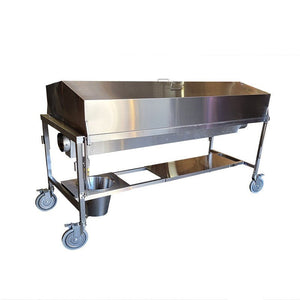
The electric immersion dissection table is the preferred configuration for formalin-based programs for a straightforward reason: cadaver handling time is minimized. The faster and easier it is to raise and lower cadavers, the less time staff and students spend in proximity to formalin-emitting surfaces. Electric lift operation reduces each raise/lower cycle to 1–2 minutes of exposure, versus 5–10 minutes for manual operation.
Tank Monitoring and Maintenance
Immersion tank fixative requires periodic monitoring for concentration and pH. Formalin concentration in the tank decreases over time as formaldehyde cross-links with cadaver proteins — particularly over the first few weeks of immersion. Most programs test fixative concentration monthly and add concentrated formalin or pre-mixed solution as needed to maintain target fixative concentration. Maintain a tank log documenting: initial fill date, volume, concentration, subsequent additions, and any pH adjustments. This documentation supports regulatory compliance and provides a chain of custody for the cadaver.
Tank Drainage and Fixative Disposal
When the anatomy program ends and cadavers are removed, tanks must be drained and cleaned. Formaldehyde in wastewater is regulated — most municipalities prohibit direct discharge of formaldehyde-containing wastewater above certain concentrations. Work with your EH&S office and local wastewater authority before your first tank drainage to confirm approved disposal methods. Treatment options include: neutralization and dilution, licensed hazardous waste contractor removal, or oxidation treatment using potassium permanganate. Plan for this from the program start — last-minute disposal contracting is expensive.
Ventilation Infrastructure for Immersion Programs
Room Ventilation Requirements
OSHA requires engineering controls when formalin levels exceed 0.5 ppm action level. For immersion table anatomy labs, general room ventilation must be designed to achieve adequate air changes per hour (ACH) to dilute formalin vapor from open tank surfaces during dissection sessions. ASHRAE guidelines for anatomy labs recommend 12–20 ACH minimum; some facility designs specify higher ACH for high-occupancy labs.
Supplement room ventilation with local exhaust ventilation (LEV) at each table position. LEV at the table captures vapors at the source, dramatically reducing the room ventilation load required to achieve compliance. Our Compliance Roadmap provides the regulatory framework and engineering control hierarchy for formalin-based anatomy programs.
Support Equipment for Immersion Table Programs
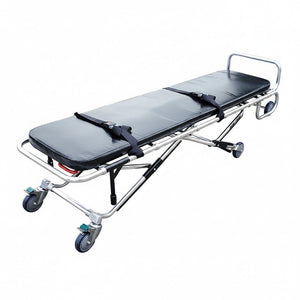
A complete immersion anatomy lab infrastructure also requires: stainless morgue cabinets for specimen storage, stainless supply cabinets for fixative and PPE, triple scrub sink stations for decontamination, and cadaver transport equipment (stretcher carts, hydraulic trolleys) for receiving donors from transport vehicles. The pathology and autopsy equipment collection covers the full range.
Related Resources
- Immersion Dissection Table Guide
- Electric vs. Manual Immersion Dissection Table
- Body Donor Program Equipment Guide
- Gross Anatomy Lab Setup Guide
- Grossing Station Ventilation & Safety
Plan Your Fixative Infrastructure With Us
American Mortuary Coolers & Equipment helps anatomy programs design complete fixative storage and immersion infrastructure — from tank specifications and ventilation coordination to fixative disposal planning and regulatory documentation. Call 1-888-792-9315 or email service@mymortuarycooler.com to speak with our anatomy lab planning team. Section 179 deductions and 24-hour financing available. FREE Level 2 White-Glove Installation on qualifying orders.
American Mortuary Coolers & Equipment | Tennessee-Built Since 2009 | A+ BBB Rated | Pathology & Autopsy Equipment | Embalming Tables | Vault Morgue Coolers | All Mortuary Coolers | Financing | Compliance Roadmap | Contact Us | Warranty & Service
