
Shop Mortuary Lifts, Racking Systems & Storage Trays

Compare the actual equipment below, choose the required options and add an eligible configuration to your cart. Quote-only and configured systems retain their dedicated product path.

  1. Choose the equipment
  2. Select options and quantity
  3. Review your cart or itemized quote
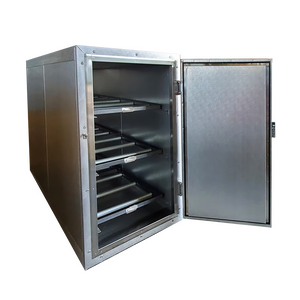
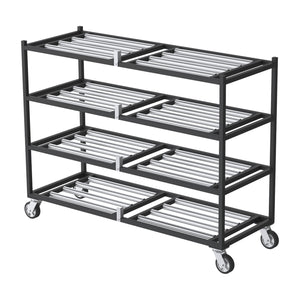
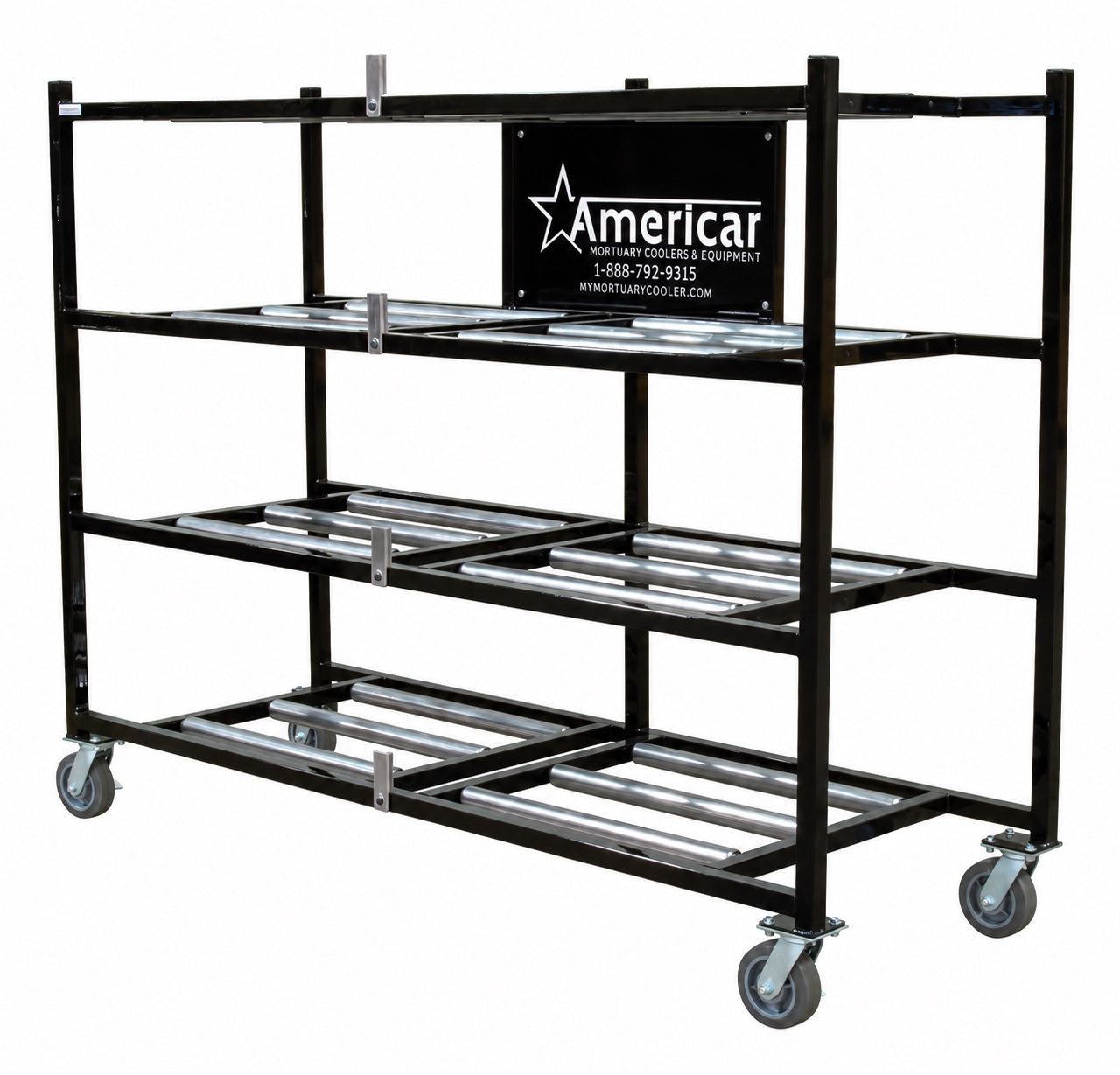
4 Tier Side-Loading Mortuary Rack

4 Tier Side-Loading Mortuary Rack

SKU 2000-4TSL
Sale
$2,021.89
From $1,484.01
Estimated from Check financing Equipment estimate. Approval required. Tax and delivery extra.

Cooler rackingPO accepted

Add to quote
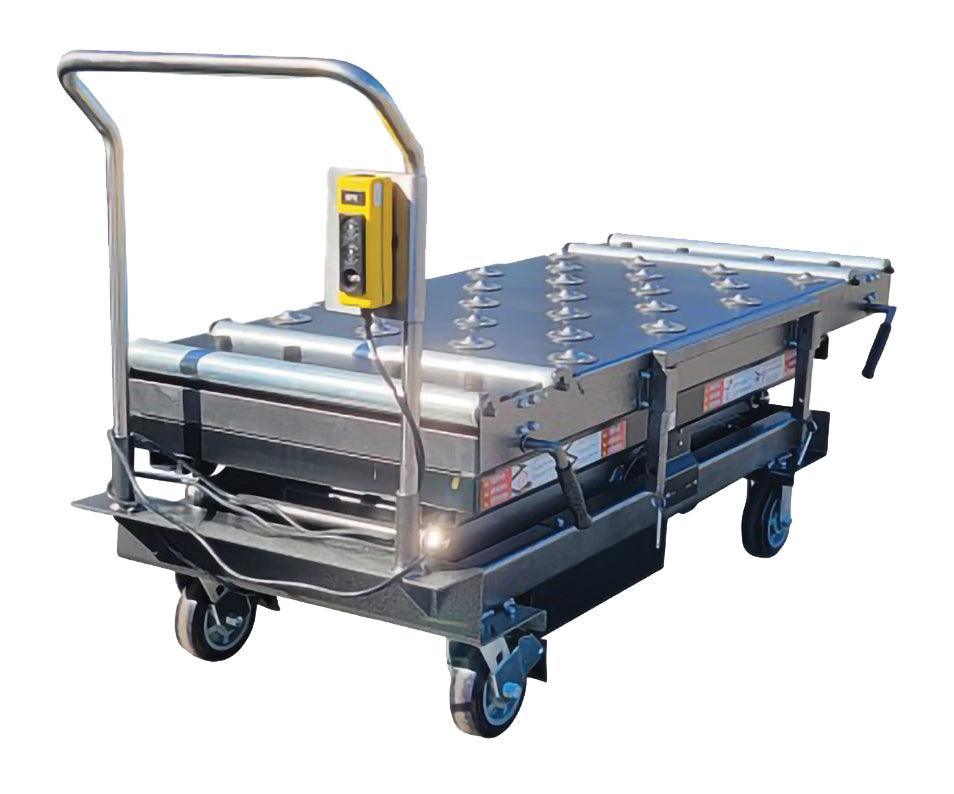
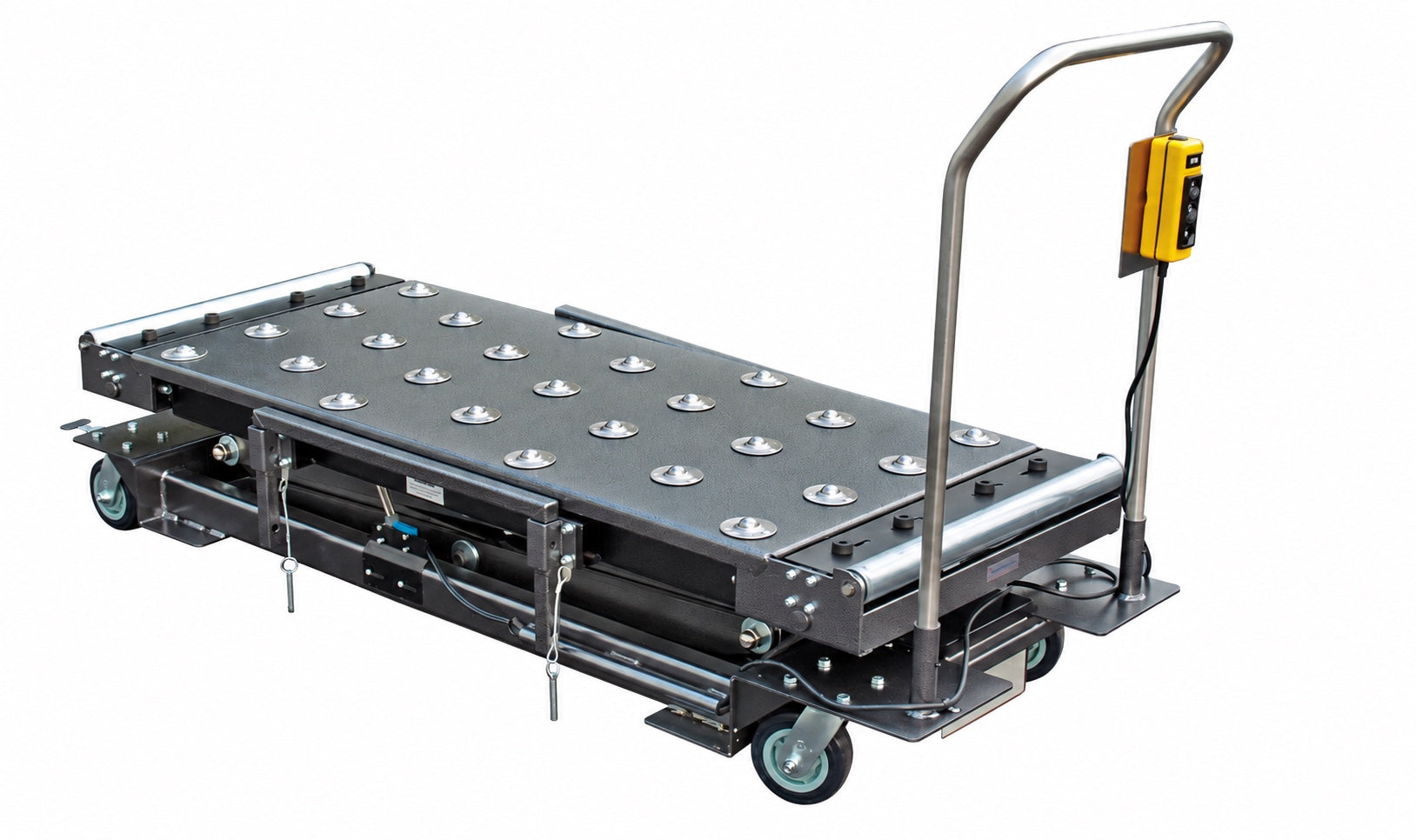
HD 1000 MAX Mortuary Lift G1 with Multi-Directional Top
MADE IN
THE USA

HD 1000 MAX Mortuary Lift G1 with Multi-Directional Top

SKU HD1000
Sale
$6,721.01
From $5,242.05
Estimated from Check financing Equipment estimate. Approval required. Tax and delivery extra.

Lift systemPO accepted

Add to quote
Low Profile Powered Crematory Lift
MADE IN
THE USA

Low Profile Powered Crematory Lift

SKU HD1000 LL
Sale
$7,709.00
From $5,935.05
Estimated from Check financing Equipment estimate. Approval required. Tax and delivery extra.

Lift systemPO accepted

Add to quote
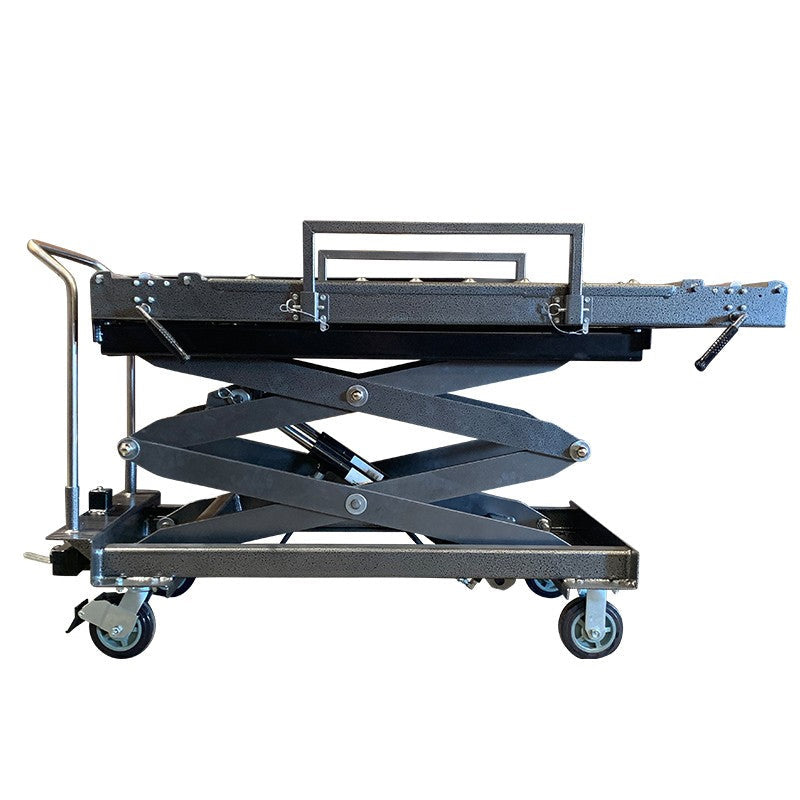
Hydraulic Crematory Manual Scissor Lift
MADE IN
THE USA

Hydraulic Crematory Manual Scissor Lift

SKU H1000-M-1
Sale
$4,886.00
From $4,153.05
Estimated from Check financing Equipment estimate. Approval required. Tax and delivery extra.

Lift systemPO accepted

Add to quote

Resources

Animal Body Storage: Coolers, Freezers & Rack Systems

Animal Body Storage: The Complete System View

Animal body storage is a system, not a single appliance: the refrigeration that holds temperature, the racks that organize capacity, the handling equipment that moves cases safely, and the records that prove all of it happened correctly. Facilities that buy the appliance and skip the system pay for it in capacity shortfalls and inspection findings.

Layer 1: Refrigeration — Cooler, Freezer, or Both

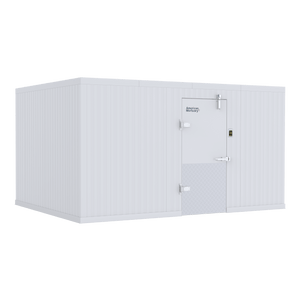
The decision is holding time. Refrigerated storage (34–38°F) covers holds of hours to about a week — walk-in coolers currently $10,494–$24,200. Frozen storage covers extended holds, municipal contractor cadences, and long research protocols — walk-in freezers $12,704–$24,137. High-volume operations frequently run both: freezer for holding, cooler for active cases. Full model tables: coolers & freezers catalog.

Layer 2: Racks and Organization

A rack system specced with the room is the cheapest capacity available — it is the difference between a room's calculated capacity and its real one, and it is what makes retrieval orderly instead of archaeological. Browse racks and lifts and trays and boards.

Layer 3: Handling

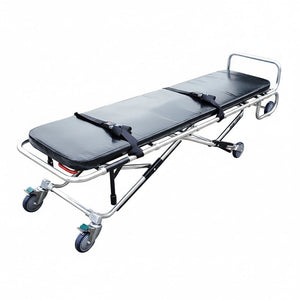
Every storage system implies transfers. Carts (1038-1CST, $2,144), wheeled and folding stretchers (from $229), and powered lifts (HD 1000 MAX from $5,511) — equipment that supports safe-lifting practices and keeps staff off the injury list. Full lineup: transport & lifting equipment.

Layer 4: Records

Intake identity, storage in/out, disposition confirmation — retained per your state's schedule. Optional 24/7 IoT temperature, door, and power monitoring automates the temperature log, which is the record inspectors and institutional reviewers ask for first.

Sizing the Whole System

(Monthly volume ÷ 30) × average holding days, plus growth margin — then spec racks to the room and handling to the transfer count. Worked examples: the sizing guide.

Frequently Asked Questions

Cooler or freezer for animal body storage?

Holding time decides: refrigeration for holds up to about a week, freezing for longer. Many facilities run both.

What does a complete storage system cost?

A clinic-scale system starts under $15,000 (compact walk-in + rack + stretcher); municipal-scale systems with freezer, racks, and powered handling typically run $20,000–$35,000 at current catalog pricing.

Spec the Full System, Not Just the Box

Send volume, holding time, and floor plan — we will spec refrigeration, racks, and handling as one quoted package.

Call 1-888-792-9315  |  [email protected]

Related

Match racks, lifts, trays and boards to the loading arrangement

Compare the selected storage or transfer component against the equipment already in your facility. Tier count, loading direction and a similar product name do not establish compatibility on their own.

  • Dimensions: check rack footprint, tray size and usable clearances.
  • Movement: distinguish storage components from transfer and lifting equipment.
  • Interface: verify the listed loading direction, supports and attachment requirements.
  • Rating: review the stated limit for each component in the selected arrangement.

Plan phased rack, lift and transfer-equipment purchases

Start with an inventory of the equipment in service, its dimensions and the workflow that must stay available during replacement. Identify the units needed first, the interfaces that must remain compatible and the later phases you want to budget. Separate a planning quantity from an approved purchase.

  • For each phase, identify the model or specification, quantity, delivery location and intended purchasing period.
  • Record dependencies such as door clearances, loading direction, transfer height, tray size, floor conditions and utilities where relevant.
  • Request separate line items for equipment and selected accessories so the order can be reviewed by location and fiscal period.
  • Review quote validity, current availability and delivery requirements before approving each phase; a planning quote is not a promise of a fixed future price.

Request a phased equipment or multi-location quote with the first purchase and later requirements clearly identified. Use the same approach for an independent facility, a public department or a corporate equipment-replacement program.

For several products or locations, request an itemized Mortuary Lifts, Racking Systems & Storage Trays quote with selected models, quantities and delivery ZIP codes. Use general customer support for selection questions, and review the written warranty terms before ordering.

Plan year-end equipment purchases around the actual equipment and timing

Review current catalog prices, choose the required configuration and separate the first purchase from later replacement phases. Build an itemized priced quote, or request a formal equipment quote with quantities, locations and your purchasing period. Request written price validity rather than assuming an unannounced future price increase or an additional sale discount.

Can Section 179 affect an equipment purchase?

For tax years beginning in 2026, IRS Revenue Procedure 2025-32 sets a maximum Section 179 expense deduction of $2,560,000, reduced when qualifying property placed in service exceeds $4,090,000. These are statutory limits, not a promise that this purchase or every buyer qualifies.

The IRS explains that property is generally placed in service when ready and available for its specific use. Eligibility, business use, taxable income and other requirements matter; ordering, financing or paying before year-end does not by itself establish a deduction. Confirm treatment and timing with your tax professional before relying on a tax benefit.

Use our 2026 Section 179 planning guide and illustrative calculator alongside the selected model's requirements. Confirm freight, installation responsibilities and availability separately; a year-end planning request is not a delivery guarantee.

Compare your options. Choose your next step.

One source for funeral supplies and mortuary equipment, with nationwide shipping. Review the Mortuary Lifts, Racking Systems & Storage Trays selection, compare product specifications and current pricing, then order the configuration you need or request an itemized quote.

  1. Choose the modelCompare the details against the work you need to do.
  2. Set your quantitiesReview the selected options and equipment subtotal.
  3. Buy or request a quoteReview freight, tax and available payment terms separately.

Need several items or delivery to more than one location? Include the models, quantities and delivery ZIP codes in your request. For general questions, contact customer support.

Website security & buyer confidence

Your trust. Built into the experience.

Understand our website safeguards, review purchasing policies and choose the right next step for your equipment needs.

Protected by Cloudflare

TLS-encrypted connection

TLS helps protect information while it travels between your browser and the website. It supports encryption, server authentication and data integrity.

Understand TLS

Layered traffic protection

Cloudflare helps filter suspicious traffic and automated abuse. Some visits may include a genuine browser verification check.

Explore website security

Clear purchasing paths

Use Shopify checkout for online orders, or request a written quote for project equipment. Review the applicable warranty, shipping and return terms before ordering.

Review buyer protections

Thoughtful information sharing

Share only what your purchase or quote needs. Never send card numbers, passwords or sensitive personal or health records through a contact or quote message.

Read our privacy policy
What TLS does for your visit
Encryption
Helps hide data from third parties while it travels between endpoints.
Authentication
Uses digital certificates to help verify the server's identity.
Integrity
Helps detect altered or forged data in transit.

TLS protects data in transit, not every aspect of stored data or a business transaction. No security layer guarantees complete immunity from abuse.